
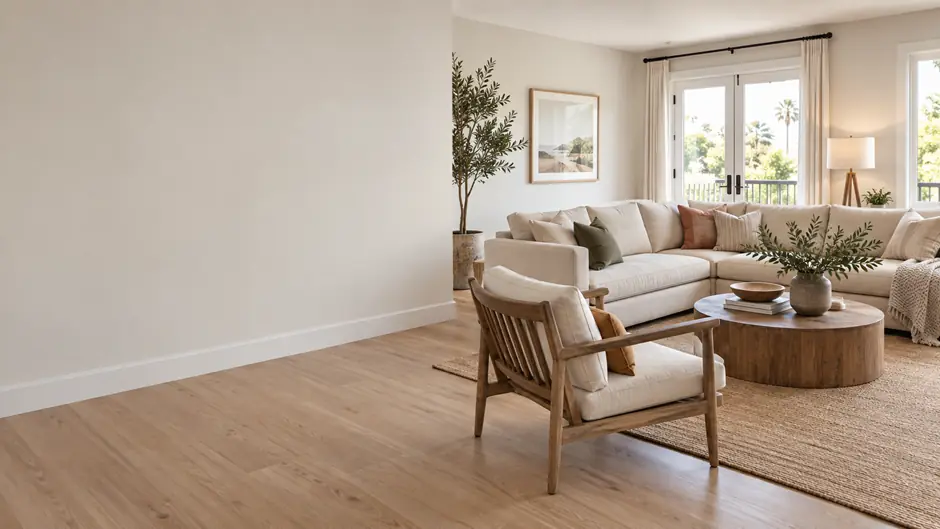
Interior Painting Starts With the Surface, Not the Color
Selecting a new color for a room has the potential to completely change the feeling of a room. However, there are many elements that go into a quality finish of a room.
Walls can have various issues such as dents, small cracks, holes from old patches, scuff marks, previous textures, and uneven paint. Trim can have signs of wear as well. Ceilings may have issues that are entirely separate from the walls. Some rooms even require preparation for a clean finish even if the finishes are new.
Juda Builders prepares interior surfaces for a quality and finish that complements the room.
We inspect the surfaces and determine the finish, the trade-offs and protection required, the use, and the appearance of the room in relation to walls, ceilings, doors, and trim.
Good painting must begin with understanding the purpose. It should never begin with opening a can of paint.
Understand the Reason for Repainting Before Selecting a New Color
Homeowners repaint for all sorts of reasons.
A room can feel dark, or dated. Walls can show everyday use. A room's color can conflict with new flooring or other new furniture. An area that was repaired during a renovation can feel disconnected from the rest of the repaired areas. It is also common to feel like different rooms of a house were painted at completely different times, which can leave the house feeling disconnected.
Those reasons matter because they can change the scope.
A re-paint on solid walls can be much simpler than an interior with surface repairs and the need for new trim and ceiling paint as well as several changes in color and finishes.
When thinking about paint, consider the following.
- Which rooms need to actually be painted?
- Is the wall surface in good condition?
- What about the ceilings?
- Will the trim maintain the same color?
- Are doors going to be painted also?
- Where are there repairs that have been done or that still need to be done?
- Will new cabinetry or finishes be installed that impact the color choice?
Answering these questions will make the project more clear than starting with a random paint chip.
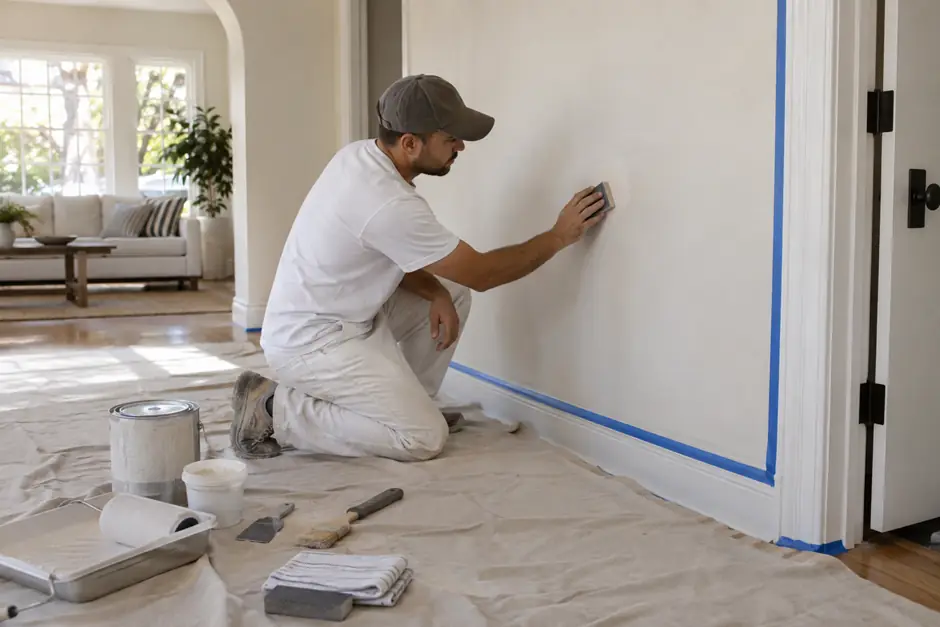
Surface Preparation Is What Makes the Finish Look Better
The best color choice still won’t matter if you rush preparation.
Paint will copy the surface it is applied on.
A fresh coat of paint will help poorly patched walls and ceilings and show all of the imperfections.
Professional residential interior painting should always start with the existing conditions of a room.
Surface preparation can include cleaning, filling holes, minor imperfections, sanding or smoothing, protecting finishes, etc. and preparing the wall for the coating applied.
The preparation that is really required is dependent on the surface.
The most important thing is to treat preparation and painting as one unified process.
Small Details Become Very Visible After Painting
Fresh paint helps smooth surfaces.
Parts that are not uniform can stick out because they provide contrast and draw attention to caulk that has not been cleaned up, cracked/messy surface repairs, random/uneven trim, etc.
Addressing these details prior to applying the last coats of paint will help make the room look less like it was just painted and more like it is completed.
Benefits of Professional Interior Painting
While most individuals would describe painting as a "cosmetic" improvement, thoughtful projects are able to bring more value to a space than looks.
The level of value shifts based on the current state of the home and the extent of the work, but the majority of homeowners opt for professional interior painting due to the following:
- rooms feeling more polished
- consistency in adjacent rooms
- old marks, scuffs, and patching covering slip be remedied
- surfaces ready for new installations and Coordinated surfaces
- walls, ceilings, doors, trim differentiating visually
- selected finishes fitting different functions of spaces
- a more finished appearance after repairs or remodeling
- change of character without changing the layout
Painting makes the most sense when rooms already have good functions and the major concerns are more visual than anything.
This is especially true when a room no longer functions due to a bad layout, poor storage, bad lighting, worn flooring, and inefficient configuration. These concerns can be remedied with an Interior Remodeling project that addresses these issues together.
Paint color should be viewed as it relates to all other color components in the room.
The look of a particular paint color varies based on the flooring, cabinetry, countertops, furniture, natural and artificial lighting, and the rooms that surround it.
A warm neutral may have a completely different appearance next to cool tile versus next to a natural wood floor. A dark color that looks great in an overly bright room may have a completely different appearance in a room lacking natural light.
Consider the fixed elements that will remain before selecting a color.
Those tend to be more difficult and expensive to change than paint.
Use Samples in the Actual Room
A color sample card can narrow selections, but the room reveals much more.
Light changes over the course of the day.
A color may not appear the same near a window that it does on an inside wall used furniture. The light used in a room may even affect color undertones.
Using samples can help people avoid making decisions based on a display or image in a store.
Pick the Finish Based on How the Room Is Used
Color is undoubtedly important, but so is the sheen.
A surface's finish affects the appearance, while also impacting the function of the space.
A wall used in a bedroom isn't necessarily the same wall used in a busy family room. Similarly, a wall in a kitchen isn't the same as a wall used in a child's playroom.
There isn't really a "best" finish for each wall in a house. The finish of a wall depends on:
- use of the room
- cleaning expectations
- wall surface condition
- amount of light
- how obvious surface imperfections are
The selection must correlate to the actual use of the room.
Walls Underlie Everything Else in A Room
The walls of a given room are the most expansive unbroken surface and thus the first thing a viewer will notice.
Thus, inconsistencies become apparent to the viewer.
The joy of the carefully designed interior is easily lost due to poor workmanship and lack of planning.
A paint job that purports to be professional should consider each individual corner, edge around openings, transition of joinery between adjoining walls, as well as between walls and ceilings, outlets and switches, as well as the Threshold of adjoining walls.
Rooms that abut one another need consistency of execution.
The focus is not whether a room is painted the same color as the other, but rather whether the execution feels holistic.
Ceilings Need Their Own Thought
Most people think ceilings remain to be untreated.
This is not always the case.
An older ceiling may detract from the newly painted walls.
There are many other factors that play into the decision of ceiling color and surface, such as discoloration or worn areas, the state of the repair, and the prevailing condition of the room.
A light color, for example, opens a space and may be the right choice; however, other design considerations may call for a deliberate relationship between ceiling and wall colors.
A satisfactory room design requires trim and baseboard work.
Trim is a strong line and unbroken surface, like a wall, but takes up a smaller area.
Trim and base boards along with doors can greatly impact the finished product.
Freshly painted walls can have a finished look when paired with new baseboards, door frames, window trim, and interior doors. On the other hand, the new paint can highlight outdated trim.
When determining if trim needs to be painted, its overall appearance should be considered. Does the existing trim still have a consistent finish? Do current paint colors still compliment the new wall colors? Do you notice chips, scuffs, repaired areas, or touch-up paint on the trim?
If any of these issues with trim are present, painting the trim should be completed in this work order.
Whether to create sharp detail where trim meets painted walls should be considered for each room. For some, this detail is most appropriate. Others prefer detail to be more subtle.
This detail should be appropriate for the style and other elements in the room rather than an arbitrary choice.
Treat Every Room Individually In A Whole Home Project
Not all rooms should have the same treatment in a whole house paint project.
The function of a room should guide the finish and, sometimes, the color selection.
- 01
Living Rooms and Family Rooms
These rooms usually connect with other more commonly used rooms (hallways, dining, kitchens) and should consider color selections that affect these rooms as well.
They should have a finish that can hold up to everyday use.
- 02
Bedrooms
These rooms can allow more personal color choice selections since they aren't as commonly used as the other rooms in the house.
Think more about natural colors, light, and furnishings, etc.
- 03
Hallways and Entries
These connect to multiple rooms as well and experience a lot of movement, contact, and use.
Continuity of color should be used to connect these rooms as well.
A color used in one of these areas should also connect to the rooms that color is visible from.
- 04
Kitchens and Bathrooms
Be mindful of your paint selections and other room selections and finishes in these areas that include fixed cabinets, counters, tile, etc.
Remember that paint should work in conjunction with other room finishes, rather than compete with them.
Our services in this area are focused on painting cabinets, so feel free to contact us if you are interested in changing cabinets in your home.
Painting During a Remodel
Remodeling projects approach the finish line with painting, however, that shouldn't signify painting should be left for last minute.
Paint selections can be impacted by new flooring, drywall, trim, or lighting, as well as cabinetry selections.
While we manage interior remodels, kitchen remodels, or bathroom remodels, we can schedule painting to do finishes that complement each other.
Interior painting can get a great return on an updated surface and a room's layout. That is especially true when an interior space does not require a major reworking.
One job is painting an entire interior; the other job is painting certain rooms.
There are homes that need to have just one or two rooms painted.
The other types of homes need a broader painting plan because there are a number of rooms painted in a variety of different colors.
When you paint an area, connected rooms are easier to plan and design.
You may also avoid choosing a new color for one room, only to go to the adjacent hallway, stairwell, or living space to find that there is a clash.
Do not paint a room that is in good condition and complements the space.
This is important when choosing the scope of the project.
The cost of interior painting can vary, despite homes with similar square footage.
The size of the room is only a part of the equation.
A large room with simple trim can require less room preparation than a smaller room with damaged surfaces, multiple colors, detailed moldings, several doors, and ceilings, and a lot of protective work.
Factors that may impact the project may include (in no particular order):
- The number and size of rooms.
- The height of walls and ceilings.
- The existing condition and the need for preparation and/or repair.
- The number of colors.
- The selection of paint and finish.
- The type of ceiling, doors, and trim.
- How much built-in cabinetry there is.
- How much furniture and other finishing elements need to be protected.
- How accessible the surface is.
- How complex the entire project is.
The most informative estimate would summarize all of the included activities.
Comparing two numbers, without comparing preparation and scope, can be strongly misleading when trying to understand the extent of the work that is required.
Our Interior Painting Process
A well-executed painting project should be organized and easy to follow.
- 01
Review the Rooms and Surfaces
Surface conditions are assessed, along with which walls, ceilings, trim and doors need to be painted.
- 02
The Scope is Confirmed
We confirm what is being painted and how much preparation is required so that the homeowner understands the work to be done before painting begins.
- 03
Surrounding Interior is Protected
Interior surfaces (furniture, flooring) and finishes (fixtures) need protection appropriate for the work area.
- 04
Surface Preparation is Done
The preparation is done and the surface is ready for the finish coats.
- 05
Selected Coating System is Applied
Paint is applied in accordance to the surfaces and the colors and finish.
- 06
Completed Area is Reviewed
The work needs to be checked against the agreed scope and need for final touch-ups is addressed.
Painting should not feel more complicated than it needs to be, but the important steps should not be skipped.
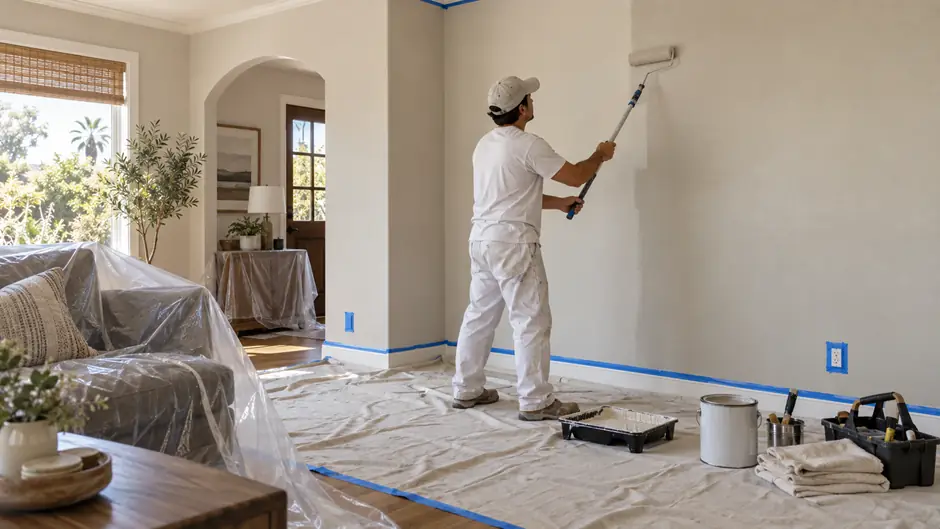
Interior Painting vs. Interior Remodeling
If you’re satisfied with the design of your room, then painting is a cheaper and easier solution to change the appearance.
If you have issues with storage, flooring, lighting, wall placement, layout and design, painting will not address any of those issues.
This is where you would consider Interior Remodeling.
Interior Painting and Interior Remodeling both offer their respective services, but Interior Remodeling focuses on more permanent physical changes on the interior of a building.
Knowing the difference is important, because it will help a Homeowner determine which service they need instead of overpaying for work that is not needed.
Interior Painting vs. Cabinet Painting
Cabinet painting will require more surface preparation and a more thorough finishing than normal wall painting.
Frequently used kitchen and bathroom cabinets, like your walls, need to maintain a high level of finish from everyday use and cleaning.
Cabinets can play a big role in the overall color and appearance of a room. If your project includes changing the finish or color of existing cabinetry, then our Cabinet Painting service would be of great benefit to you.
Interior Painting vs. Exterior Painting
Though they both deal with painting surfaces, Interior and Exterior Painting both deal with distinct areas of the building with distinct concerns.
Interior Painting is the application of paints to walls, ceilings, and trim in and around your house.
Exterior Painting concerns the outdoor surfaces of the house, the elements, preparations, the materials, and the state of the building envelope.
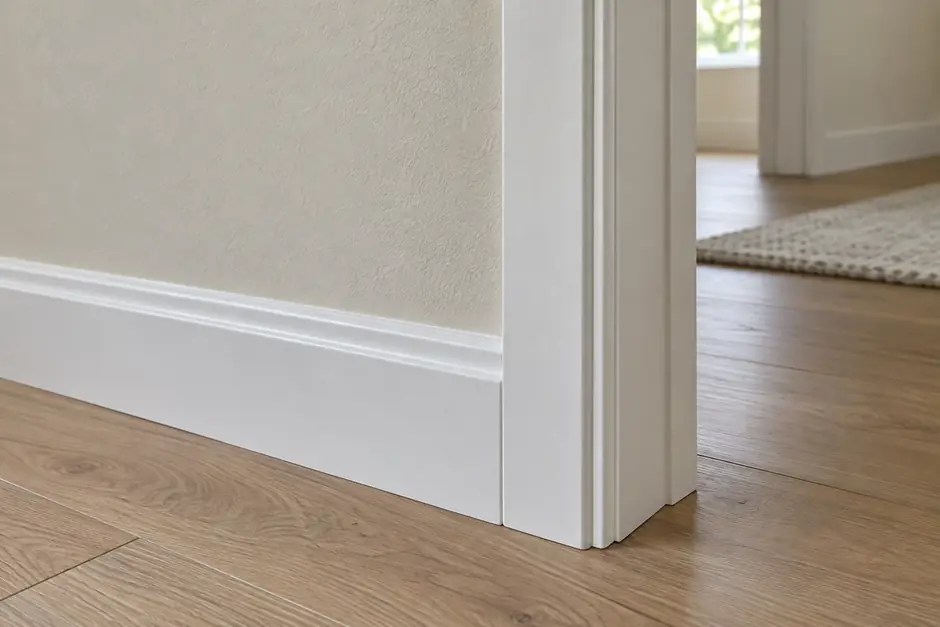
Why People Choose Professionally Painted Interiors
Many do-it-yourself projects are appropriate for homeowners, including painting a room.
However, larger interior painting jobs may require professional help.
This may be the case if you want to paint several rooms, have high walls, have a lot of detailed trim, multiple trim colors, and need a professional finish. It may also include a high level of preparation and protection for the surfaces.
Some of the practical benefits include better project management, consistent and thorough preparation, ease of transitions, and a well articulated scope of work before the work begins.
The most critical benefit is the ability for the painter to understand the surface conditions rather than just sell paint.
Before selecting a company, ask what preparation, surface and finish work will be included, as well as how the work will be protected.
Interior Painting FAQs
-
The scope depends on the project. Interior painting can include walls, ceilings, trim, baseboards, doors, frames, surface preparation, minor patching where appropriate, protection of surrounding areas, and finish application.
-
Cost depends on the number and size of rooms, wall condition, preparation, ceiling height, ceilings, trim, doors, paint selection, number of colors, and project complexity. A meaningful estimate should describe the actual scope rather than relying only on square footage.
-
Start with the fixed materials that are staying, such as flooring, cabinetry, countertops, tile, and major furniture. Then consider natural and artificial light in the room. Testing colors in the actual space can help reveal undertones that may not be obvious on a small sample.
-
The appropriate finish depends on room use, surface condition, cleaning expectations, lighting, and the appearance you prefer. Busy spaces may need different practical choices from low-traffic bedrooms or ceilings.
-
Often, yes. The amount depends on their condition. Nail holes, poor previous patches, cracks, scuffs, uneven surfaces, or other imperfections may need attention before painting.
-
Not necessarily. If the ceiling is still in good condition and works with the new wall colors, it may not need repainting. If it shows wear, repairs, or a finish that no longer works with the room, including it may produce a more complete result.
-
Yes, trim, baseboards, door frames, and interior doors can be included depending on their condition and the project scope. These surfaces should be evaluated separately from walls.
-
No. Connected areas may benefit from some continuity, but bedrooms and other separate spaces can have their own direction. The important thing is that transitions feel intentional.
-
Yes. Painting is commonly coordinated with remodeling work once the necessary construction and surface preparation have been completed. It should be planned with the other finish selections rather than treated as an unrelated last-minute decision.
-
No. Walls and cabinets require different preparation, application methods, and finishes. If you want to update existing kitchen or bathroom cabinetry, our Cabinet Painting service is designed specifically for that type of work.
-
It can be part of a larger remodeling project, but it also works as a standalone service when the room does not require broader construction changes.
-
The timeline depends on the number of rooms, surface condition, preparation required, trim and ceiling scope, number of colors, drying conditions, and overall project complexity. A project-specific schedule is more reliable than a universal timeframe.
-
The appropriate preparation depends on the project and the room. This should be discussed before work begins so the homeowner understands what needs to be moved and how remaining items will be protected.
-
Contact Juda Builders and tell us which rooms you want painted, what surfaces you want included, and any issues you have noticed with the existing walls, ceilings, or trim. Photos can also help make the first conversation more useful.
Ready to Refresh Your Interior?
It's not necessary to paint the entire interior of the house to make a noticeable change.
Select one or two rooms that are bothersome.
Are walls appearing worn? Have the colors become outdated? Are earlier touch-up repairs visible? Is there a lack of cohesive flow to adjacent spaces?
Juda Builders will help define the painting scope based on the rooms' conditions and their intended use, and help you realize your goal to change one or more rooms.